Food & Sauce
Filling: Hot-fill, viscous or acidic
Risk: Liner, thread cleanliness, upright packing
Priority: Opening size, liner, cap torque
Validation: Fill temperature and seepage check
Export: Upright cartons and divider strength

Shop by Application
Popular Product Types
Popular Categories
Industries
Each application has different filling, closure, surface, inspection and export packing needs. Use this page to prepare better product decisions.
Viscosity, hot-fill exposure, foaming, acidity and residue help shape opening size and closure choice.
Light sensitivity, aroma retention, compatibility and shelf display guide color, finish and seal decisions.
Case packing, pallet load, export handling and retail presentation influence glass weight and protection.
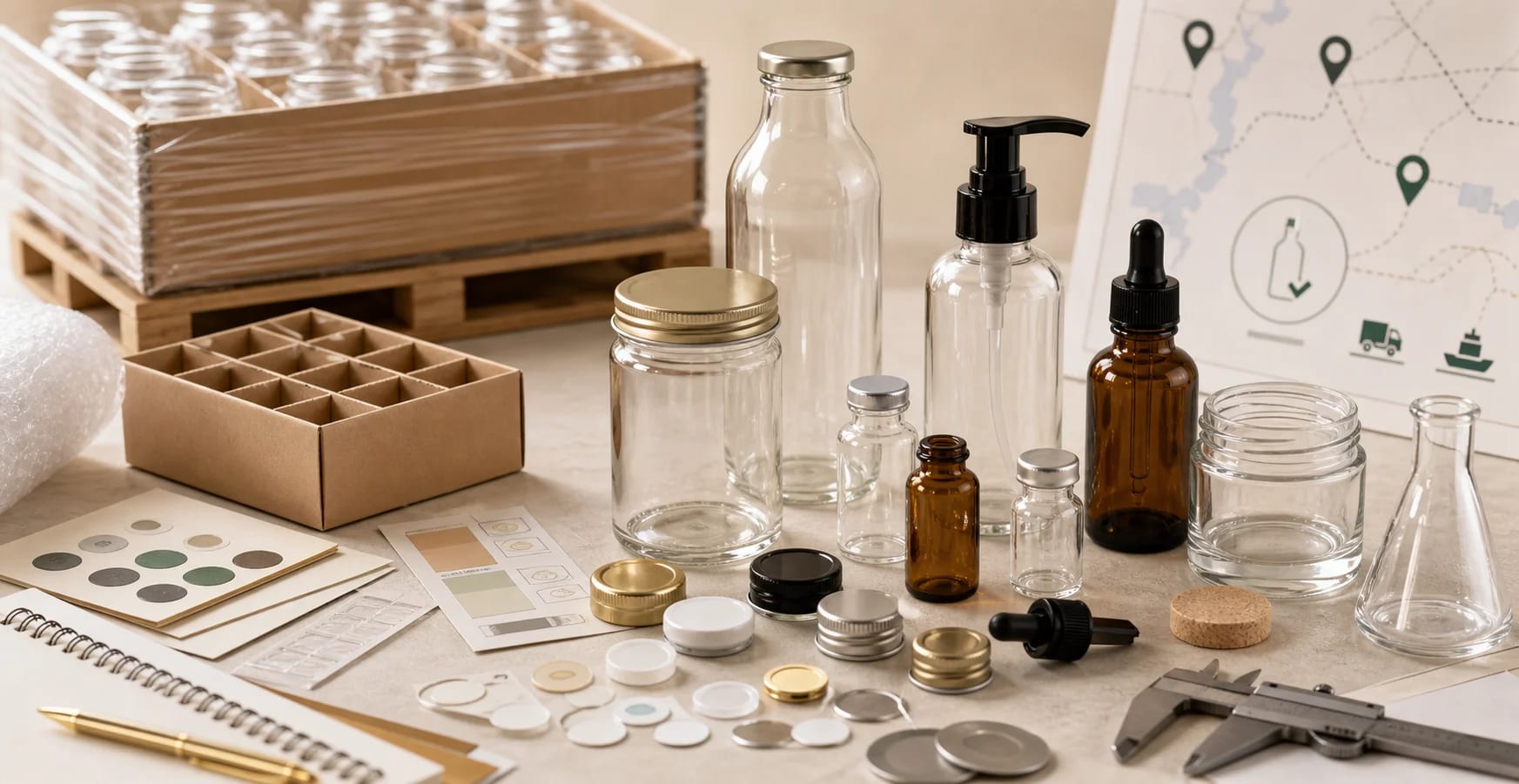
Application-led selection
The right glass package starts with the product behavior, closure route, decoration plan and delivery environment.
Application map
Choose the application closest to your project, then review the specific packaging risks before product matching.
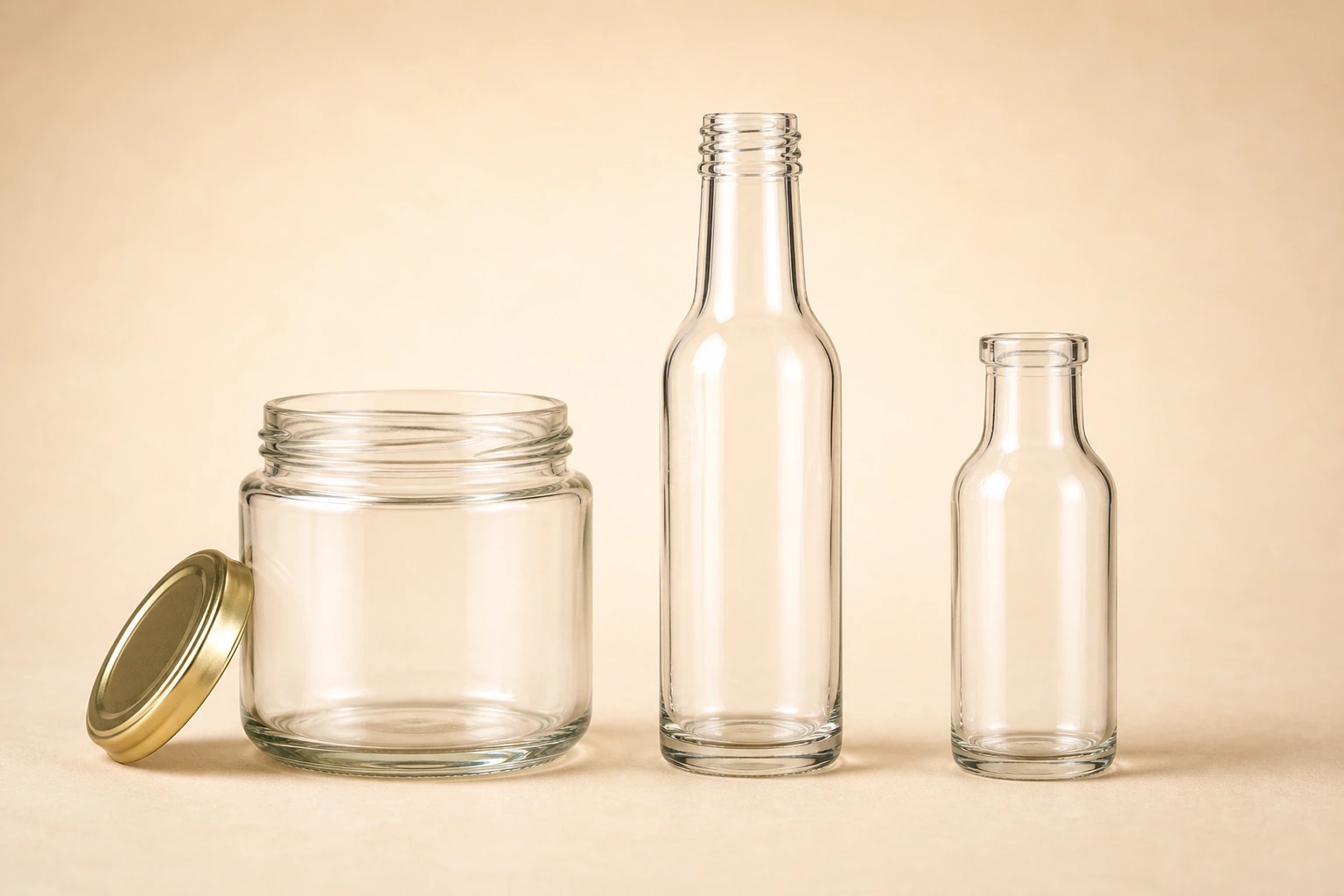 Food & SaucePlanning focusConfirm filling temperature, viscosity, shelf life target and liner expectation before comparing jar or bottle formats.View guide
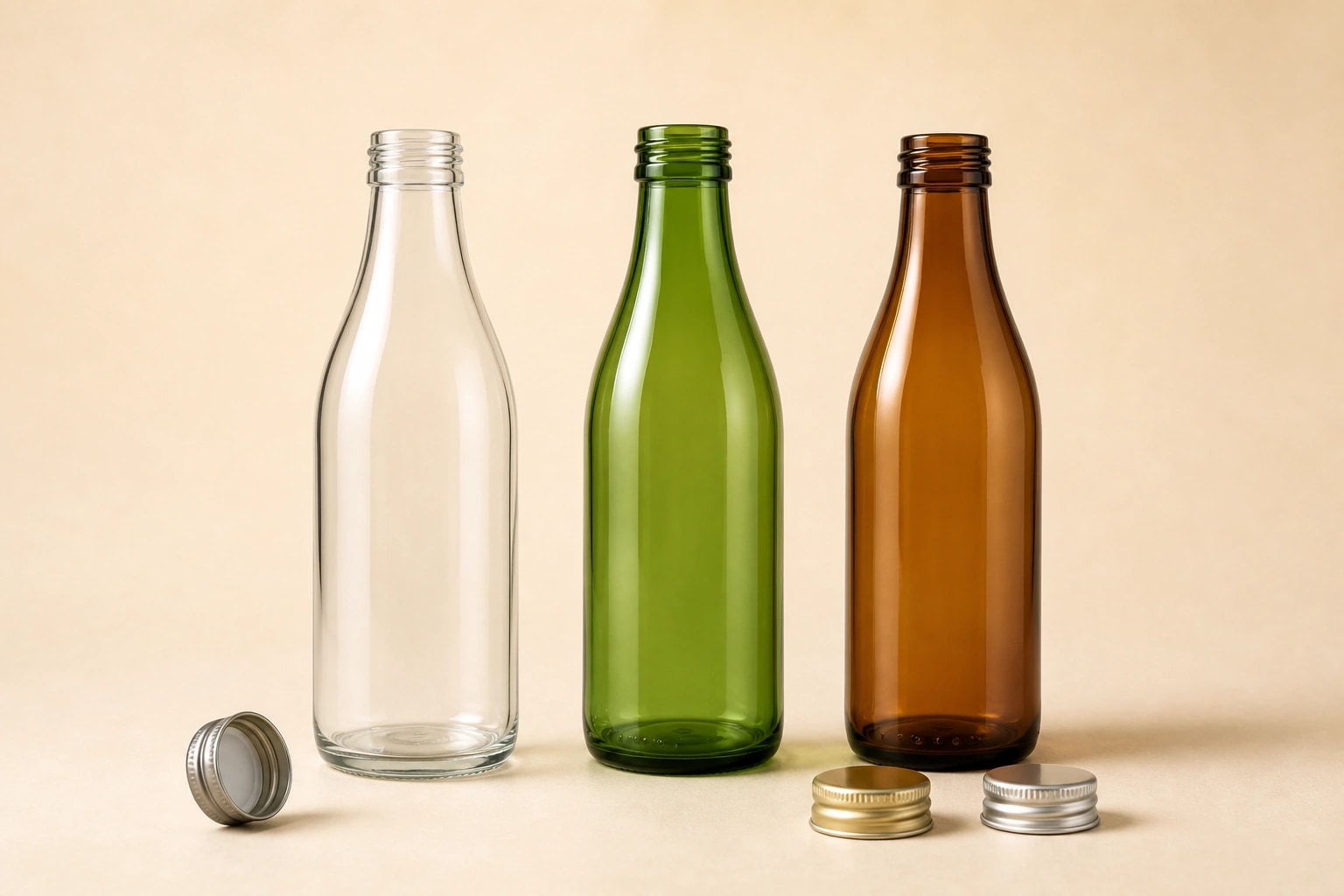 BeveragePlanning focusStart with fill line speed, carbonation level, cap system, storage condition and shipment route before choosing a bottle family.View guide
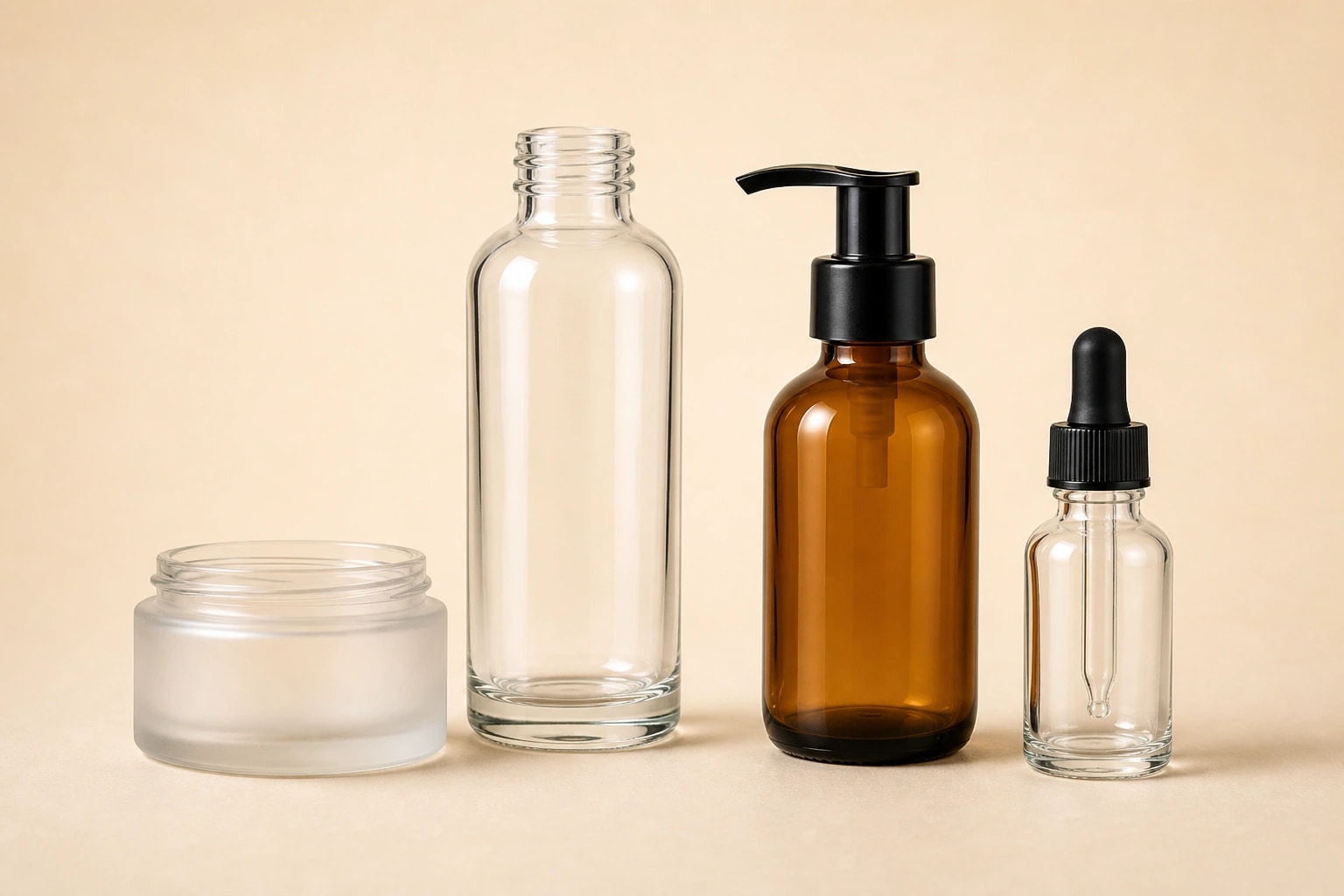 Cosmetics & Personal CarePlanning focusReview formula viscosity, applicator behavior, surface treatment and SKU family consistency together.View guide
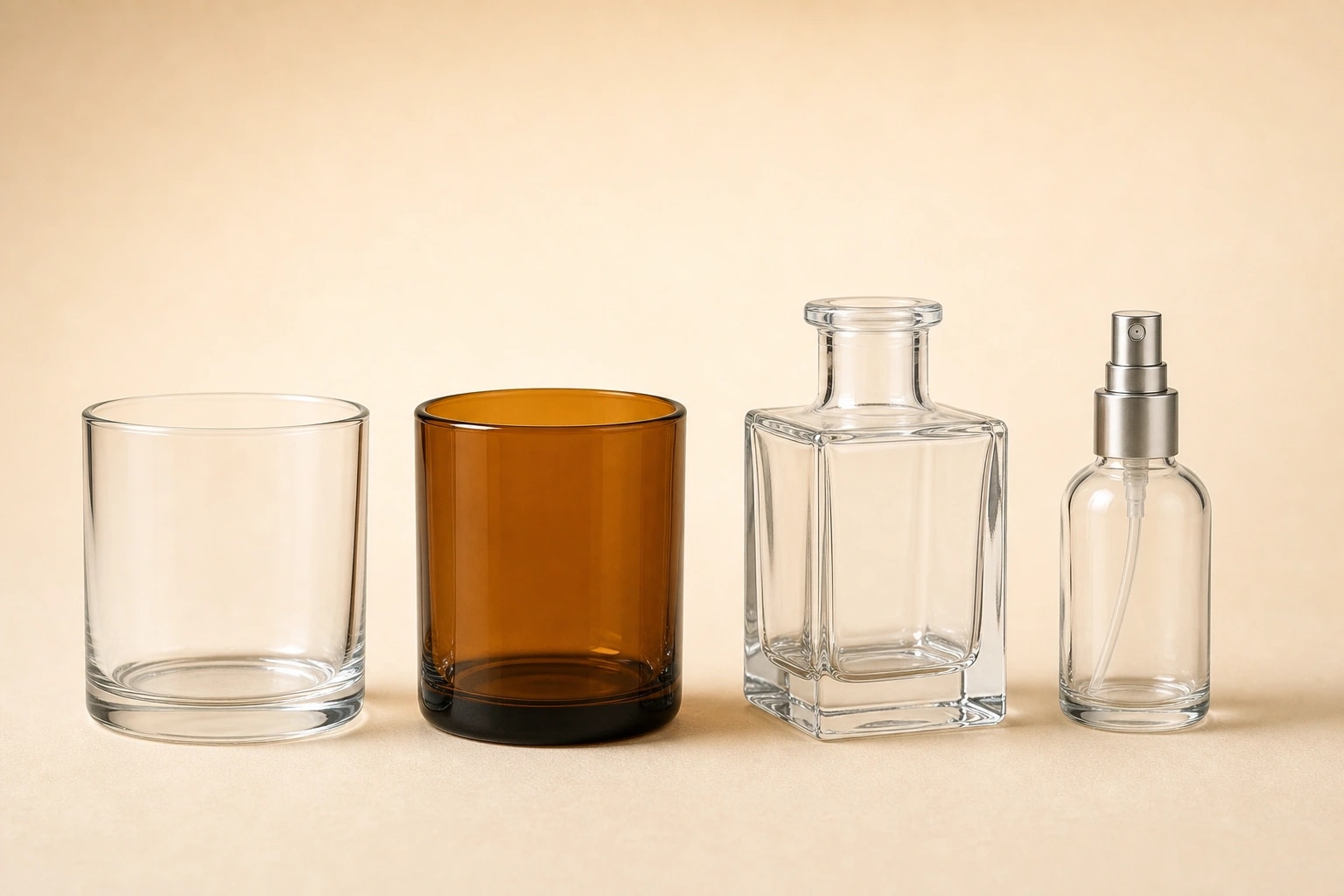 Candle & Home CarePlanning focusSeparate the project by use condition: heated wax vessel, fragrance bottle, spray system or refill format.View guide
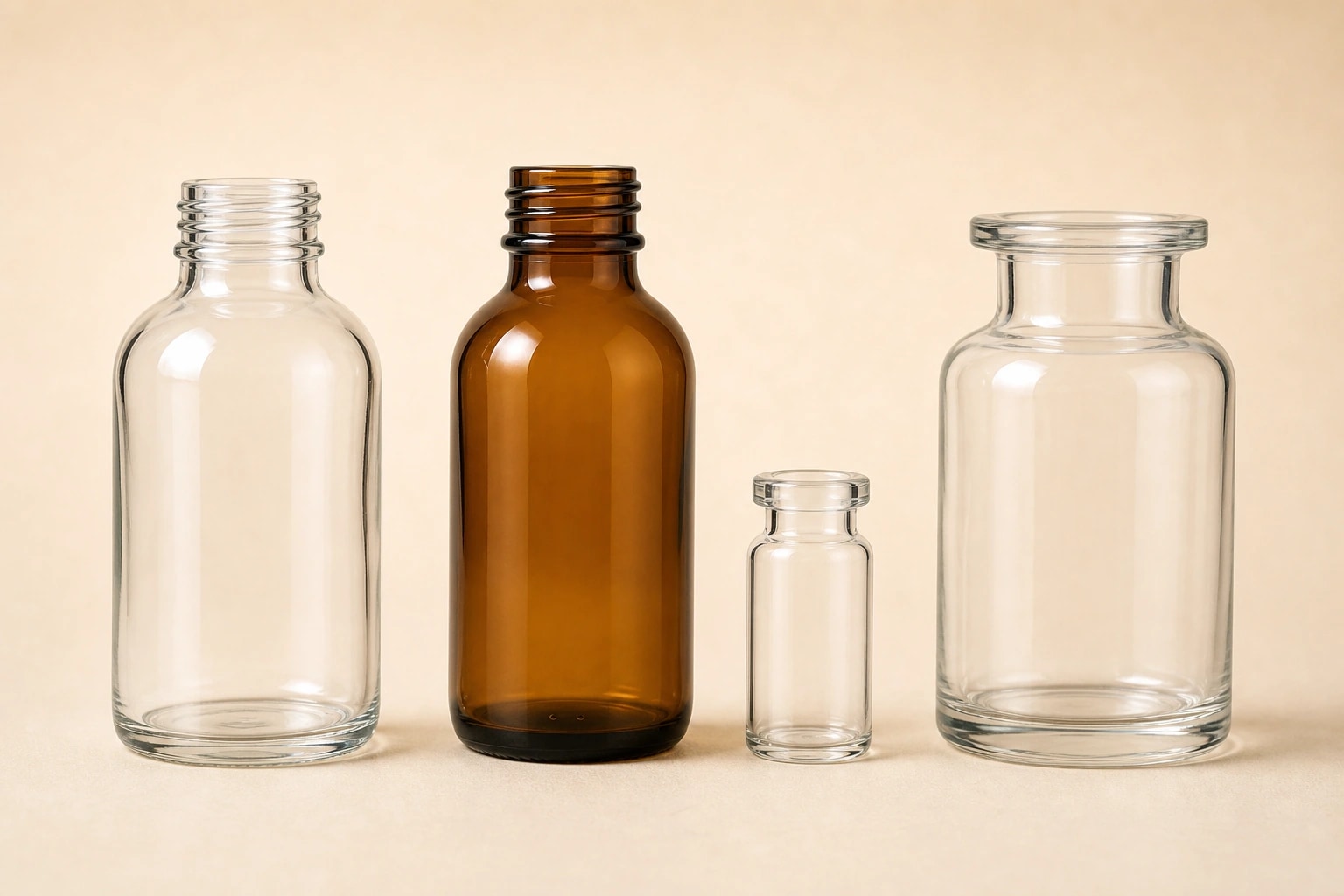 Laboratory & ChemicalPlanning focusDefine stored substance, handling environment, closure material and marking needs before selection.View guide
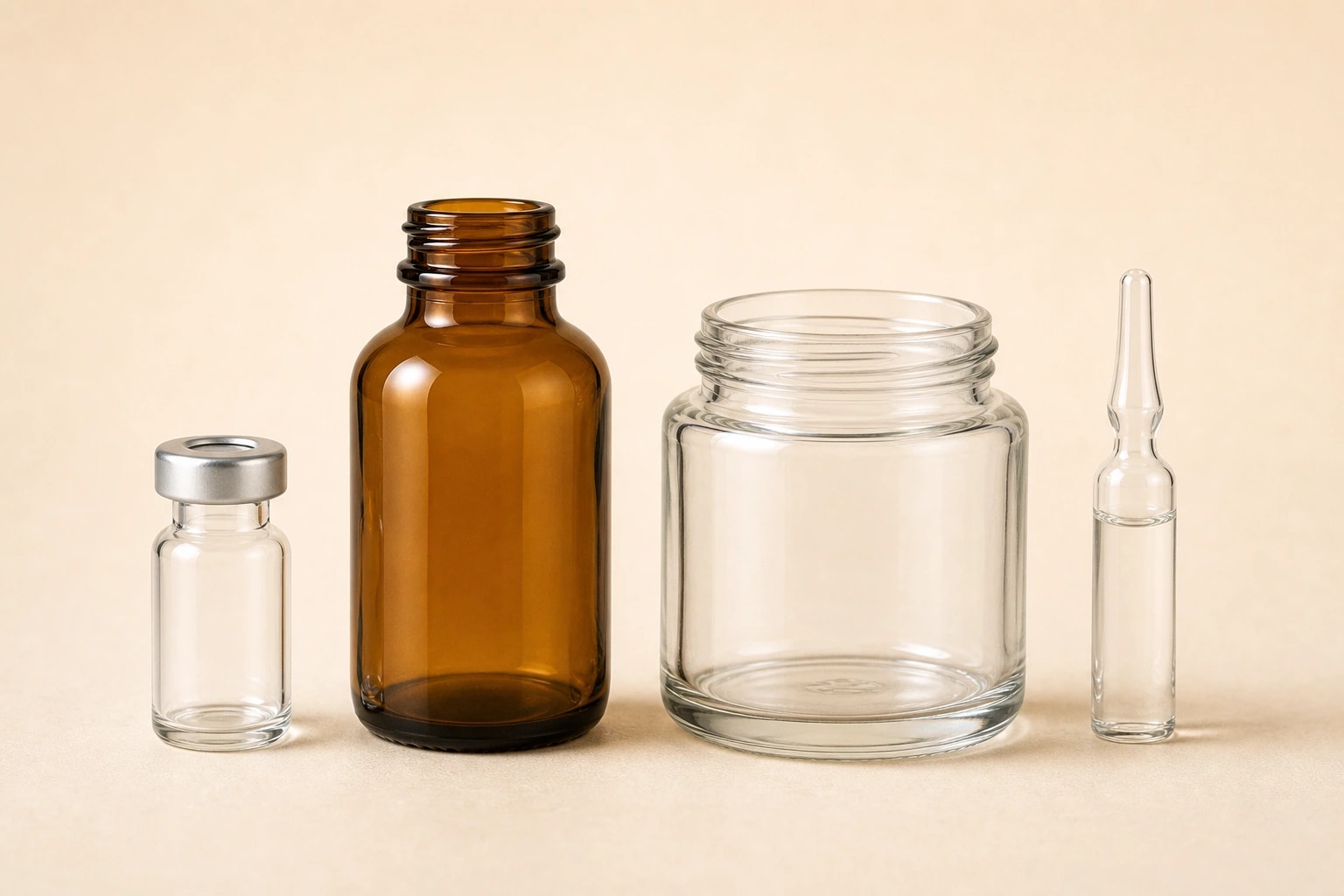 Healthcare & PharmaceuticalPlanning focusClarify product category, handling standard, closure style, inspection requirement and buyer documentation before selection.View guide
Decision matrix
Use the matrix to align filling method, risk point, sample validation and export packing direction.
| Industry | Filling context | Main risk | Priority | Sample validation | Export focus |
|---|---|---|---|---|---|
| Food & Sauce | Hot-fill, viscous or acidic | Liner, thread cleanliness, upright packing | Opening size, liner, cap torque | Fill temperature and seepage check | Upright cartons and divider strength |
| Beverage | Still, chilled, oil or fermented | Cap system, scuff control, case contact | Neck finish, cap system, case contact | Route and carbonation level | Bottle-to-bottle movement control |
| Cosmetics | Cream, oil, serum or lotion | Applicator fit, finish durability | Dosage closure, surface finish, set consistency | Formula contact and hand-use check | Scratch protection for decorated glass |
| Candle & Home | Wax, fragrance, spray or refill | Heat/fragrance use, base stability | Base stability, stopper fit, coating durability | Use condition by format | Color consistency and edge protection |
| Laboratory | Reagents, samples or chemicals | Closure material, storage compatibility | Glass type, closure material, markings | Stored substance and handling environment | Secondary containment and inner packing |
| Healthcare | Supplements, diagnostics or samples | Protection color, inspection clarity | Protection color, inspection, documentation | Category and buyer QC expectations | Clean packing and traceable cartons |
Filling: Hot-fill, viscous or acidic
Risk: Liner, thread cleanliness, upright packing
Priority: Opening size, liner, cap torque
Validation: Fill temperature and seepage check
Export: Upright cartons and divider strength
Filling: Still, chilled, oil or fermented
Risk: Cap system, scuff control, case contact
Priority: Neck finish, cap system, case contact
Validation: Route and carbonation level
Export: Bottle-to-bottle movement control
Filling: Cream, oil, serum or lotion
Risk: Applicator fit, finish durability
Priority: Dosage closure, surface finish, set consistency
Validation: Formula contact and hand-use check
Export: Scratch protection for decorated glass
Filling: Wax, fragrance, spray or refill
Risk: Heat/fragrance use, base stability
Priority: Base stability, stopper fit, coating durability
Validation: Use condition by format
Export: Color consistency and edge protection
Filling: Reagents, samples or chemicals
Risk: Closure material, storage compatibility
Priority: Glass type, closure material, markings
Validation: Stored substance and handling environment
Export: Secondary containment and inner packing
Filling: Supplements, diagnostics or samples
Risk: Protection color, inspection clarity
Priority: Protection color, inspection, documentation
Validation: Category and buyer QC expectations
Export: Clean packing and traceable cartons
Industry guide
Use case
Sauces, honey, jam, pickled products and condiments where viscosity and clean dispensing influence container choice.
Planning focus
Plan mouth opening, thread finish, liner and carton orientation around warm filling and residue control.
Opening size aligned with product texture and filling equipment.
Closure torque and liner reviewed before artwork is finalized.
Decoration surface selected for condensation, oil or sauce residue.
Will the product be hot filled, pasteurized or ambient filled?
Can the formula reach the thread finish during filling or use?
Will the pack ship by pallet, e-commerce carton or both?
Review jar shape, lid, liner and carton orientation together.
Industry guide
Use case
Juice, water, kombucha, oils, mixers and premium drink launches where appearance and cap fit matter.
Planning focus
Plan cap system, fill line, glass color and case packing around the beverage route.
Neck finish selected around cap system and filling method.
Glass color and shape matched to shelf visibility and light exposure.
Case packing reviewed for bottle-to-bottle contact.
Is the drink still, sparkling or mildly fermented?
Will bottles travel chilled, ambient or through mixed routes?
Does the brand need embossing, label panels or direct print?
Shortlist bottle shape after cap system and shipment route are clear.
Industry guide
Use case
Serums, creams, oils, lotions and retail sets where tactile quality and decoration consistency support value.
Planning focus
Plan applicator, formula contact, finish and SKU family consistency as one system.
Closure system matched to formula thickness and dosage.
Decoration surface selected before coating or frosting.
SKU proportions planned so jars and bottles feel related.
Does the formula need a pump, dropper, spatula or screw closure?
Will coating, frosting or print touch oily hands in use?
Is the pack sold alone, in a set or through premium retail?
Confirm decoration after closure height, label area and hand feel are reviewed.
Industry guide
Use case
Candles, diffusers, room sprays and home care refills where fragrance, heat exposure and interior styling matter.
Planning focus
Plan glass weight, thermal use, fragrance contact, stopper or sprayer fit and room-set consistency.
Base weight and wall feel aligned with candle or home fragrance use.
Closure and stopper fit reviewed for evaporation and display quality.
Color, coating and logo method planned across the room set.
Will the glass face heat, alcohol fragrance or cleaning liquid?
Does the vessel need a lid, stopper, pump or sprayer?
Will buyers compare multiple scents side by side?
Candles, diffusers and sprays need separate checks because use conditions differ.
Industry guide
Use case
Reagents, samples, chemicals and industrial liquids where containment and repeatable technical detail come first.
Planning focus
Plan closure material, thread finish, glass color, marking needs and secondary packing around stored substance.
Thread finish and cap material selected around containment expectations.
Glass color chosen by sensitivity and storage environment.
Carton and inner packing planned for technical buyers.
What chemical family or reagent type will be stored?
Will users need graduation marks, labels or tamper indication?
How will samples be packed, stored and transported after filling?
Technical storage conditions should guide selection before adapting retail-style bottles.
Industry guide
Use case
Healthcare, supplement, diagnostic and pharmaceutical-adjacent programs where cleanliness, protection and documentation matter.
Planning focus
Plan protective color, closure integrity, inspection points, label clarity and packing documentation.
Protective color and closure aligned with content sensitivity.
Inspection checkpoints defined for finish, cleanliness and packing.
Artwork and labels kept clear for dosage, batch or compliance review.
Is this for supplements, diagnostics, samples or regulated medicine?
Does the buyer require child-resistant or tamper-evident features?
What documentation or QC photos are needed before shipment?
Healthcare-adjacent packaging benefits from a clearer review path because requirements vary.
Selection path
A structured path keeps product behavior, closure fit, decoration and export packing aligned before quotation.
Map formula behavior, filling method, user handling and the conditions the package will meet after filling.
Align closure style, glass color, decoration approach, packing route and inspection checkpoints.
Review fill, seal, touch, label surface and carton orientation in realistic conditions.
Move into product matching once capacity, finish, closure and packing direction are clear.
Confirm inner packing, carton strength, pallet direction and shipment route.
Application review
Send the application, filling product, capacity, closure expectation, finish target and shipping market so Bottlix can suggest a practical route.