Export carton packing
Export cartons should match bottle size, glass weight, closure condition and shipment method. Carton strength and inner layout are important for breakage control.

Shop by Application
Popular Product Types
Popular Categories
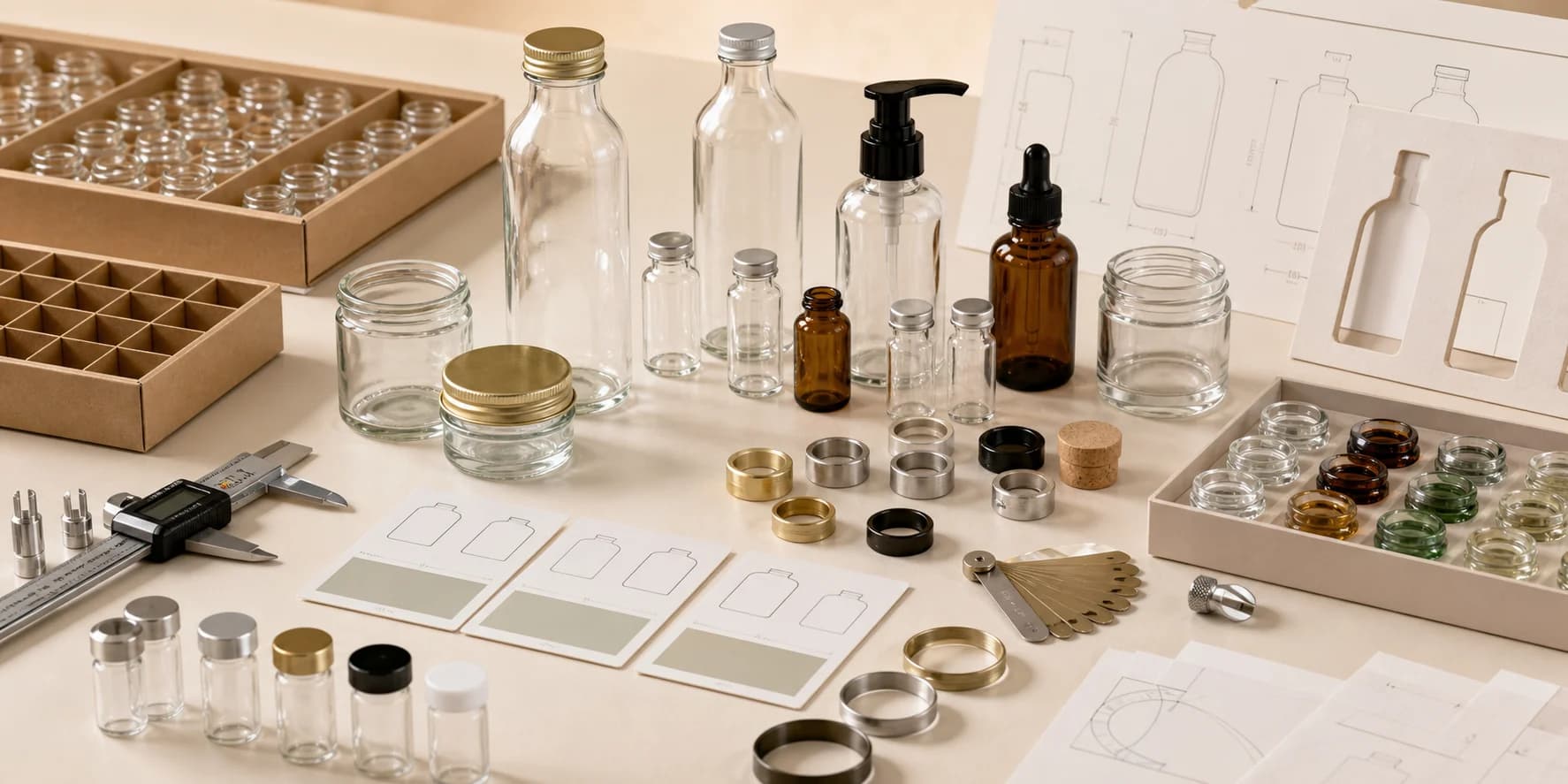
Glass packaging needs practical packing and shipment planning before it leaves production. Cartons, dividers, pallets, documents and loading method all affect delivery performance.
This guide covers
The packing method should match the glass shape, weight, decoration and shipment route. A standard carton is not always enough for every project.
Export cartons should match bottle size, glass weight, closure condition and shipment method. Carton strength and inner layout are important for breakage control.
Pallet packing supports loading, unloading and warehouse handling. Pallet direction, wrapping and carton stacking should be planned according to order volume.
Dividers, trays and inner partitions help reduce bottle-to-bottle contact, surface scratches and movement inside cartons.
Breakage control begins before shipment. It includes the container structure, carton layout, pallet plan and loading method.
Breakage risk can be reduced by reviewing product shape, carton layout, inner protection, pallet handling and movement control during transport.
Container loading should consider carton size, pallet use, weight distribution, stacking direction and movement control during long-distance transport.
Coated, frosted, printed or hot-stamped bottles may need extra surface protection to reduce friction, scratches and finish damage.
The shipping method should match order size, urgency, cost target and destination handling conditions.
Express is suitable for urgent samples. Air freight can support urgent small shipments. Sea freight is usually practical for larger bulk orders.
Commercial invoice, packing list and shipment details are prepared according to the order and shipping route. Additional documents can be reviewed if required.
Bottlix can coordinate shipment details with the buyer, forwarder or nominated logistics partner so timing, documents and packing information are aligned.
Buyer checklist
Use this checklist when reviewing packing and delivery requirements for glass packaging orders.
Confirm carton size, carton strength and inner partition layout
Decide whether pallet packing is needed for bulk shipment
Review surface protection for decorated or premium glass
Check container loading method, stacking direction and weight distribution
Confirm shipping method: express, air freight or sea freight
Prepare commercial invoice, packing list and shipment details
Common questions
Express is usually the most practical for samples because it is faster and easier to track. Bulk orders usually need air or sea freight review.
Not always. Pallet packing depends on order volume, carton weight, handling condition and buyer warehouse preference.
Yes. Bottlix can coordinate packing information, pickup timing and shipment details with a buyer-nominated forwarder.
Use suitable carton strength, inner dividers, controlled pallet stacking, careful loading and extra protection for fragile or decorated glass.
Next step
Send the bottle size, carton quantity, destination and shipping preference. Bottlix can review the packing route before dispatch.